
Food & Beverage
Discover how industry leaders overcome unique challenges to deliver safe, high-quality products to retail shelves faster.
Transforming the Food and Beverage Industry Through Digital Innovation
With the 3DEXPERIENCE® platform, Dassault Systèmes empowers food and beverage manufacturers to gain a competitive edge in the industry, driving sustainable innovation, ensuring regulatory compliance and bringing safe, high-quality products to market faster.
Optimize Operations With the 3DEXPERIENCE Platform

Virtual Twin for Manufacturing Operations
Simulate factory performance, optimize batch processing and ensure agile production flows.

Structured Specifications and Quality Management
Unify product and process specifications to enable fast, compliant rollouts across markets.

Integrated Planning and Supply Chain Optimization
Streamline operations from farm to shelf using end-to-end, data-driven orchestration.
Key Challenges for Food and Beverage Manufacturers
- Food Safety, Regulations and Compliance
- Ingredient Sourcing and Formulation Complexity
- Sustainability in Food Production
- Market Volatility and Demand Fluctuations
- Time-to-Market for New Products
Food and beverage manufacturers must implement rigorous systems to prevent contamination, ensure proper labeling and ingredient traceability across global supply chains. This is complicated by differing international standards, frequent regulatory updates and heightened consumer expectations for transparency.
If non-compliance isn’t dealt with swiftly, it can lead to costly recalls, reputational damage and legal penalties. Ensuring compliance in the industry requires a multi-pronged strategy that requires significant investment in technology, staff training and robust quality management systems.
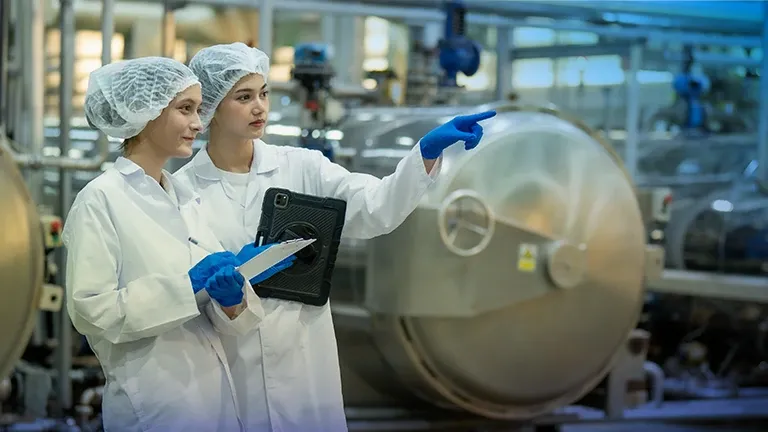
Manufacturers are constantly exposed to geopolitical instability, climate change and fluctuating commodity prices. At the same time, the rising demand for plant-based and allergen-free products adds complexity to formulation. Existing products would need to be reformulated with these new requirements in mind and without compromising taste, texture or shelf life.
Supply chain resilience in the food and beverage industry requires the ability to withstand and quickly recover from disruptions (such as raw material shortages, logistics delays and regulatory shifts) while continuing to ensure product quality, safety and availability. Responding to these disruptions quickly demands agile planning and diversified sourcing options.

According to an Accenture report, only 18% of companies are on track to reach net zero emissions by 2050. The industry must address high greenhouse gas emissions, water usage and land degradation linked to intensive farming practices. Transitioning to sustainable food packaging and energy-efficient operations requires significant investment and innovation, often increasing short-term costs.
At the same time, consumers demand transparency on environmental footprints, pushing companies to adopt food traceability and reporting frameworks. Aligning with sustainability goals is further complicated by fragmented global regulations. This makes it difficult for the industry to implement consistent practices across markets while maintaining a competitive edge.
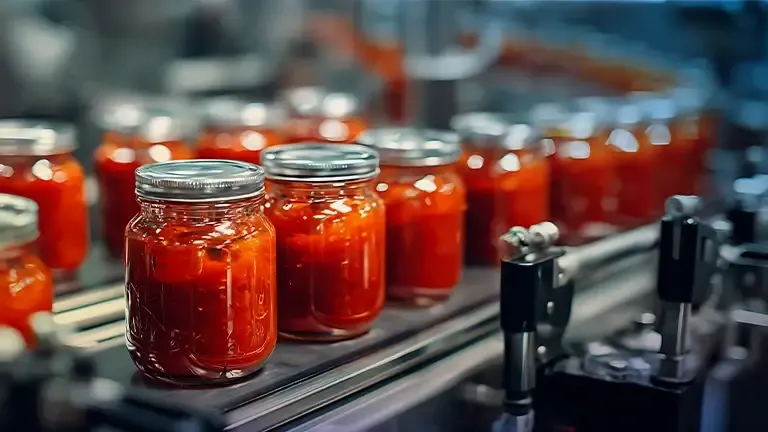
Unpredictable shifts in consumer behavior, economic conditions and global supply chain disruptions can happen anytime. Sudden changes in demand strain production planning and inventory management. External factors like inflation, currency fluctuations and commodity price swings further complicate forecasting and cost control, eventually leading to higher prices.
Seasonal trends and evolving consumer preferences (such as the rising demand for plant-based products) can be addressed through innovation and agility in product development and distribution. Achieving it would require advanced data analytics, scenario planning and resilient supply chain strategies to reduce exposure to sudden shocks.
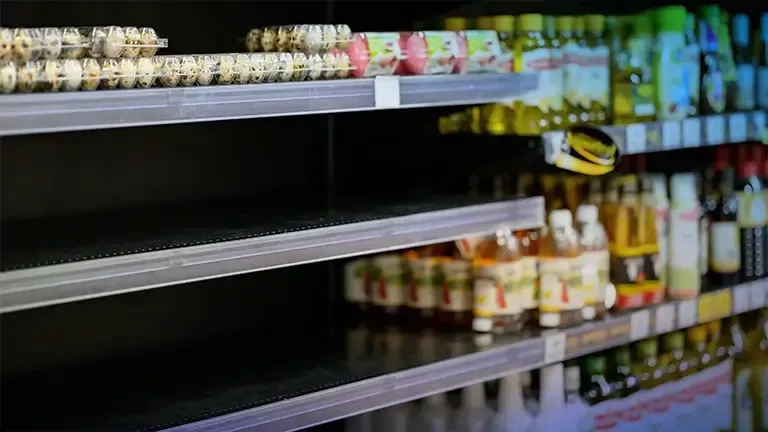
Delivering new products to retail shelves is a balancing act that juggles speed with safety, compliance and consumer acceptance. Shorter product lifecycles and rapidly shifting consumer preferences increase pressure to innovate quickly.
However, regulatory approval, shelf-life testing and quality assurance processes can be time-consuming. Missing out on critical launch windows could result in loss of market share as competitors swoop in with innovative differentiators. The complexity of global supply chains further delays ingredient sourcing and production scaling. It's no wonder that 80% of leading manufacturers in the industry are increasing digital technology investments to counter inflation, scarce talent and supply constraints.

Key Benefits of Dassault Systèmes for the Food and Beverage Industry
Shorten Time-to-Market for Product Innovation
Enable rapid reformulation and testing to respond to consumer trends and ingredient shifts.

Improved Compliance and Risk Management
Mitigate recalls and regulatory delays with built-in traceability and validation tools.

Increased Supply Chain Resilience
Remain agile with end-to-end visibility and connected, predictive planning capabilities.

Enhanced Operational Efficiency and Cost Control
Reduce waste, downtime and energy use while boosting output and profitability.
Accelerated Sustainability Goals
Support circular economy strategies through eco-design and carbon footprint tracking.

Elevate the Consumer Experience
Improve on taste, texture and nutrition at lower prices.
Our Success Stories in the Food and Beverage Industry
Trusted by Global Food and Beverage Leaders