
Supply Chain Volatility
Anticipate risks and mitigate disruptions with agile supply chain management to meet consumer demand and maintain a competitive advantage.
The Agile Supply Chain Imperative in Consumer Package Goods
Today’s CPG companies face supply chain volatility on an unprecedented scale. Global disruptions, evolving trade policies and rapidly shifting consumer demands are testing the limits of even the most resilient operations. Building an agile supply chain in this volatile environment is no longer optional — it’s essential. Companies need sharper demand forecasting, greater supply chain flexibility and faster responsiveness to navigate mounting complexity and stay ahead.
An agile supply chain doesn’t just react faster — it’s about end-to-end optimization by designing a system that can adapt, learn and thrive in an unpredictable business environment.
Characteristics of an Agile Supply Chain
- Flexibility To React in Real Time
- Visibility Across the Supply Network
- Integration From Planning to Execution
- Supply Chain Collaboration To Boost Agility
Supply chain flexibility is the foundation of an agile approach. The most resilient supply chains can shift gears instantly to mitigate disruptions with adaptive logistics – whether by adjusting production, rerouting shipments or applying just-in-time supply chain principles. Combined with lean supply chain practices, this adaptability ensures that businesses can respond to change the moment it happens.

Real-time supply chain visibility is critical to making informed decisions. With end-to-end visibility, companies can track inventory on hand across multiple locations, anticipate potential shortages and respond to market demand efficiently. Leveraging multi-echelon inventory optimization ensures that stock is balanced across dynamic supply networks, improving both service levels and operational efficiency.
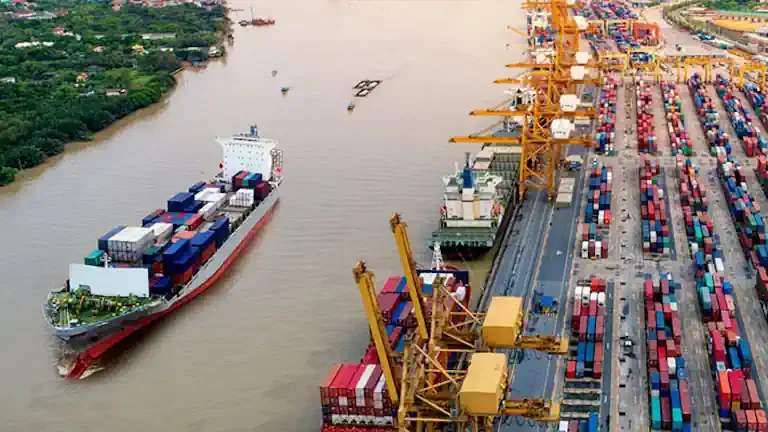
Agile supply chain management is achieved by connecting supply chain planning and execution in a seamless, continuous flow. This end-to-end integration and coordination of predictive supply planning, procurement, production schedules and logistics will enhance supply chain responsiveness, allowing companies to adapt quickly to changes in the market and deliver results.

Collaboration is the engine of an agile supply chain. To stay resilient, companies must align mutual goals and foster trust across internal teams, supply chain partners and transportation networks. Dassault Systèmes’ collaborative supply chain solutions make this easier by enabling seamless data sharing and synchronized decision-making, ensuring that stakeholders across the entire supply chain work from a single source of the truth. Companies exploring nearshoring strategies and supplier diversification can leverage these capabilities to strengthen continuity, minimize disruption risks and boost overall agility.

Artificial Intelligence and the Rise of Predictive Supply Chains
Today, supply chain agility is powered by cutting-edge technologies. AI machine learning, the Internet of Things and predictive analytics help companies process large amounts of data in real time, identify risks and support end-to-end optimization of supply chain operations. By adopting these game-changing solutions, companies can ensure optimal disruption management.
For example, Dassault Systèmes’ DELMIA solutions support intelligent demand forecasting and planning to power agile decision-making. Combining an AI-powered supply chain with virtual twin technology enables companies to simulate scenarios, anticipate disruptions and make informed decisions before challenges escalate.
The Strategy To Unleash Supply Chain Agility
Find out the benefits of AI and machine learning in supply chain planning.
Key Benefits of an Agile Supply Chain

Faster response to market disruptions
Agile practices allow businesses to absorb shocks from natural disasters or trade policy changes while keeping products flowing to customers.
Smarter inventory management
Linking demand forecasting with demand-sensing supply chains ensures that stock matches replenishment needs and market demand.

Improved service levels and reduced waste
Businesses can support environmental, social and economic sustainability goals by minimizing overproduction and optimizing resources.

Proactive scenario planning
What-if scenario testing allows companies to identify and be prepared for all possible supply chain disruptions and opportunities.
Mastering Complexity With an Agile Supply Chain
Dot Food
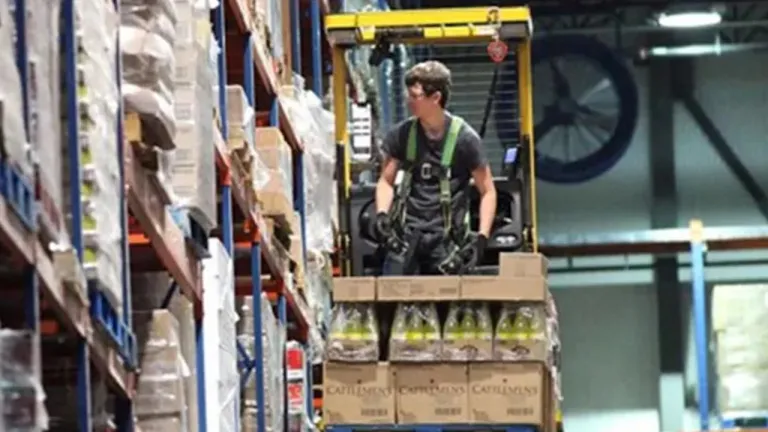
What does it take to move 120,000 products nationwide and ensure every order arrives on time? Learn how Dot Foods coordinates and optimizes every part of its supply chain operations to reduce lead time variability and improve demand responsiveness.
Agile Supply Chain Strategies
Pulling ahead in the competitive CPG industry requires a responsive supply chain. Dassault Systèmes provides tailored solutions that empower companies to make smarter decisions across every stage of the supply chain for end-to-end optimization.
Trends in Supply Chain Management
Everything You Need To Know About Agile Supply Chains
Discover More About Agile Supply Chain Solutions
Both manufacturing and supply chain virtual twins work in concert to optimize the manufacturing process and deliver AI-powered supply chain planning that aligns with market demand. As a result, Dassault Systèmes’ agile supply chain solutions can help you anticipate risks, enhance supply chain flexibility and mitigate disruptions at scale.